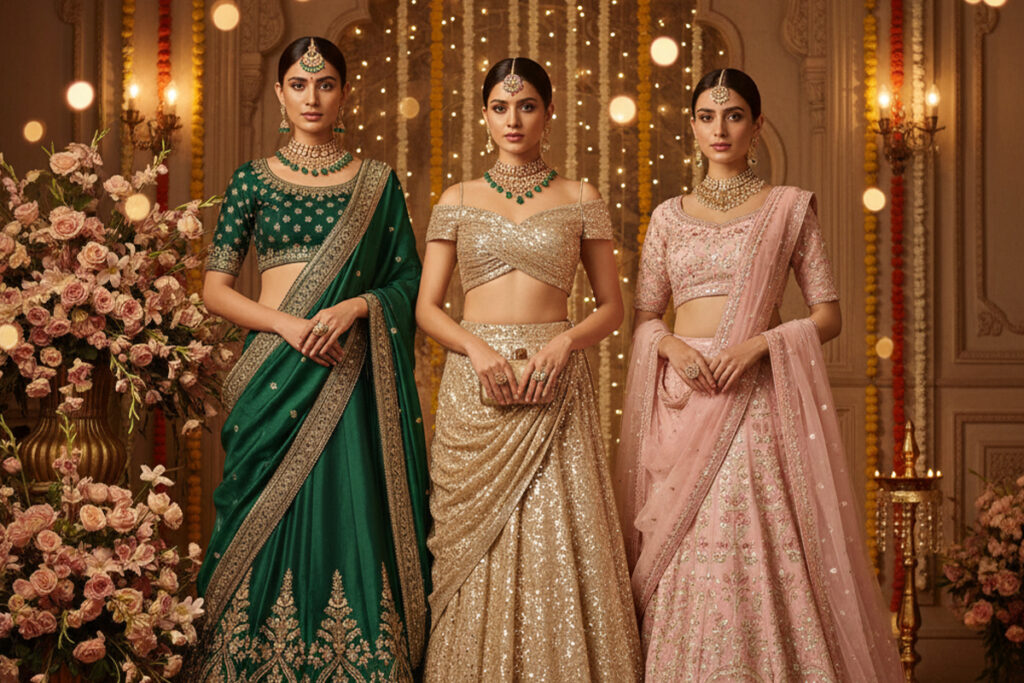
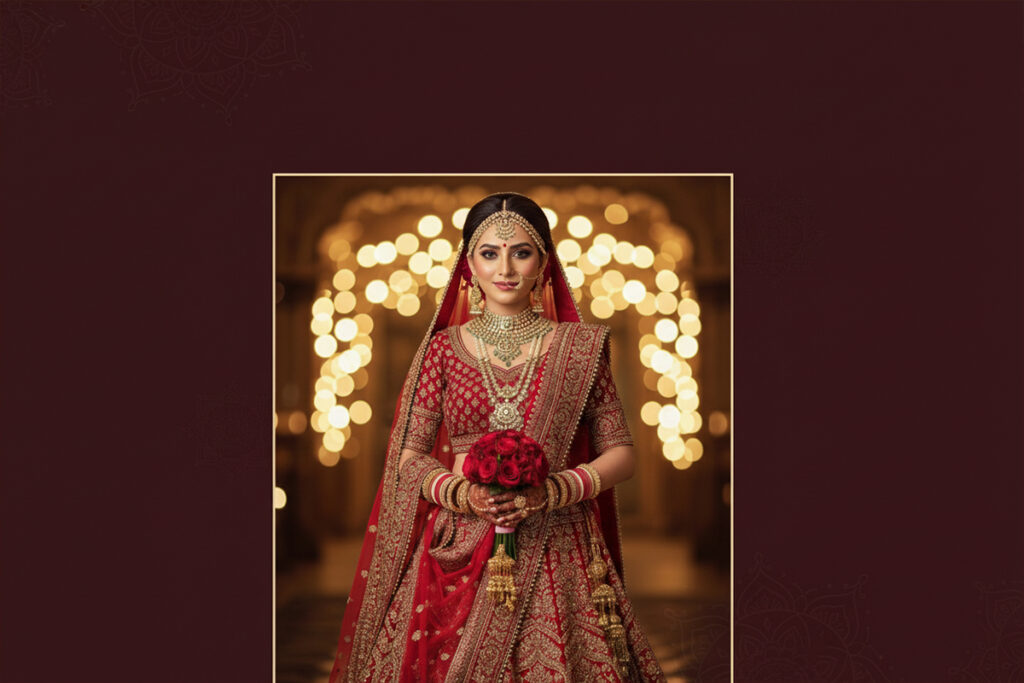
A handcrafted lehenga is more than just an outfit—it’s a story woven into fabric. It carries tradition, artistry, months of craftsmanship, and a personal touch that makes it truly one-of-a-kind. In a world where fast fashion is becoming common, handcrafted lehengas stand out as masterpieces that celebrate heritage, culture, and the skill of artisans.
From the meticulous embroidery on the fabric to the finesse in stitching, every detail contributes to the beauty and uniqueness of a handcrafted lehenga. Whether it’s a bridal lehenga, a designer couture piece, or a festive outfit, the intricacies of handwork are what make these garments timeless and irreplaceable.
If you’ve ever wondered why handcrafted lehengas are loved across generations—and why they carry such emotional and artistic value—this detailed guide uncovers the magic behind their craftsmanship.
1. The Heart of Handcrafted Fashion: Delicate Embroidery
Embroidery is the soul of a handcrafted lehenga. It transforms simple fabric into a work of art. Unlike machine embroidery, hand embroidery offers depth, texture, and originality. Every thread is carefully placed, creating beautiful patterns that hold cultural and artistic significance.
Popular Types of Hand Embroidery Used in Lehengas
Zardozi Work — Royal Metallic Thread Art
Zardozi involves metallic threads, beads, and stones. Traditionally used for royal attire, it adds richness and a regal finish to the lehenga.
Aari Work — Fine, Intricate, and Exquisite
Aari work is done using a special needle called an “aari.” It allows artisans to create delicate floral patterns, vines, and motifs with incredible precision.
Resham Embroidery — Soft, Colorful Thread Magic
Resham or silk-thread embroidery gives the lehenga a smooth, elegant look. Perfect for pastel, nude, or modern bridal lehengas.
Mirror Work — Vibrant & Festive
Originally from Gujarat and Rajasthan, mirror work adds sparkle and a boho charm to lehengas, making them perfect for mehendi and haldi events.
Each of these embroidery styles demands skill, time, and patience—qualities that define a handcrafted masterpiece.
2. The Fabric Foundation: Why Material Matters
Behind every stunning handcrafted lehenga is a fabric chosen with intention. The type of material influences the drape, finish, and durability of the garment.
Most Loved Fabrics for Handcrafted Lehengas
Silk
Rich, sturdy, and luxurious—silk is the first choice for bridal and festive lehengas.
Velvet
Perfect for winter weddings, velvet adds royal charm and pairs beautifully with heavy embroidery.
Georgette
Lightweight, flowy, and ideal for intricate detailing without adding bulk.
Organza
Sheer, dreamy, and modern—best for floral threadwork, pearls, and subtle embroidery.
Choosing the right fabric ensures the lehenga balances elegance with comfort. It forms the canvas upon which artisans bring their imagination to life.
3. The Significance of Motifs: Every Design Tells a Story
Handcrafted lehengas often feature motifs inspired by culture, mythology, nature, and royal heritage. These motifs add meaning and beauty to the outfit.
Popular Motifs You’ll Find in Handcrafted Lehengas
Floral Patterns — Symbolize beauty, growth & nature
Paisley (Kairi) — Represents fertility & tradition
Peacocks — Signify grace and royalty
Temples & Elephants — Depict tradition and prosperity
Geometric Patterns — Modern, minimal, and contemporary
Every motif chosen by the artisan enhances the uniqueness of the lehenga, making it not just an outfit but a storytelling canvas.
4. Handcrafted Embellishments: The Magic in Every Detail
A handcrafted lehenga becomes a masterpiece when the detailing goes beyond embroidery. Skilled artisans spend days or even months adding embellishments that transform the garment into couture fashion.
Finishing Details That Make a Big Difference
Stones & Crystals
Hand-selected stones reflect light beautifully, creating a luxurious shine especially during nighttime events.
Sequins
Delicate hand-stitched sequins add sparkle while maintaining a refined look.
Gota Patti
Traditional Rajasthani gota work brings elegance, especially in festive lehengas.
Pearls & Beads
Perfect for pastel or minimal bridal looks, pearls add sophistication and charm.
These embellishments require precision and creativity—one misplaced stitch can disrupt the design, which is why handcrafted detailing carries such high artistic value.
5. The Craftsmanship Behind the Scenes: Hours, Skill & Passion
A handcrafted lehenga is a product of immense dedication. The process can take weeks to months depending on the complexity of the design.
The Process Includes
Concept & Sketching
The design team and artisan collaborate to visualise the patterns, motifs, and color palette.
Fabric Selection
Choosing the right material forms the base of the entire creation.
Manual Embroidery
Artisans work meticulously, often for long hours, to craft delicate patterns.
Stitching & Tailoring
Once embroidered, the pieces are assembled by expert tailors who maintain shape, structure, and perfection.
Finishing Touches
Edges, borders, tassels, and seams are hand-finished to ensure a flawless look.
This time-consuming process is what gives handmade lehengas their unmatched finesse and value.
6. Customisation: Bringing Your Dream Lehenga to Life
One of the biggest advantages of handcrafted lehengas is the ability to customise them according to personal preferences.
You Can Personalise:
Colors
Motifs
Type of embroidery
Fabric
Blouse design
Dupatta detailing
Lehenga length & flare
A customised handcrafted lehenga reflects your personality, making it the perfect choice for brides and fashion-conscious women who want a unique outfit.
7. Why Handcrafted Lehengas Hold Emotional Value
Handcrafted outfits are often passed down as heirlooms. They hold memories of weddings, milestones, and cultural traditions. The emotional connection adds sentimental value that machine-made outfits simply cannot offer.
Reasons Handcrafted Lehengas Become Priceless
Represent family traditions
Capture memories of special occasions
Showcase heritage craftsmanship
Often gifted during weddings
Made with care, emotion, and artistry
When a lehenga is made by hand, it carries the soul of the artist and the wearer—a bond that lasts forever.
8. How to Style a Handcrafted Lehenga Like a Fashion Icon
Once you have a beautifully detailed lehenga, styling becomes the final touch.
Choose the Right Blouse
Experiment with:
Sweetheart necklines
Deep V-necks
Full sleeves with embroidery
Backless or stylish tie-up designs
Jewellery That Complements the Work
Heavy embroidery → Minimal jewellery
Subtle embroidery → Statement pieces
Dupatta Draping Styles
One-sided modern drape
Traditional seedha pallu
Pleated shoulder drape
Two-dupatta bridal draping
Footwear
Opt for juttis, wedges, or embellished heels depending on comfort and occasion.
Hair & Makeup
Bold lips for royal lehengas, dewy makeup for pastel, dreamy designer lehengas.
With the right styling, your handcrafted piece will look like couture straight from the runway.
Conclusion
The beauty of a handcrafted lehenga lies in its artistry, attention to detail, and cultural richness. Each stitch, motif, and embellishment reflects the passion and dedication of skilled artisans. These lehengas are not just outfits but meaningful creations that celebrate heritage, craftsmanship, and personal expression.
From choosing the fabric to appreciating the motifs and embellishments, understanding the art of detailing helps you value the time and skill involved in making a handcrafted masterpiece. Whether you’re a bride, bridesmaid, or someone who simply loves traditional fashion, a handcrafted lehenga adds unmatched charm, sophistication, and emotional depth to your wardrobe.